Forage for native bees
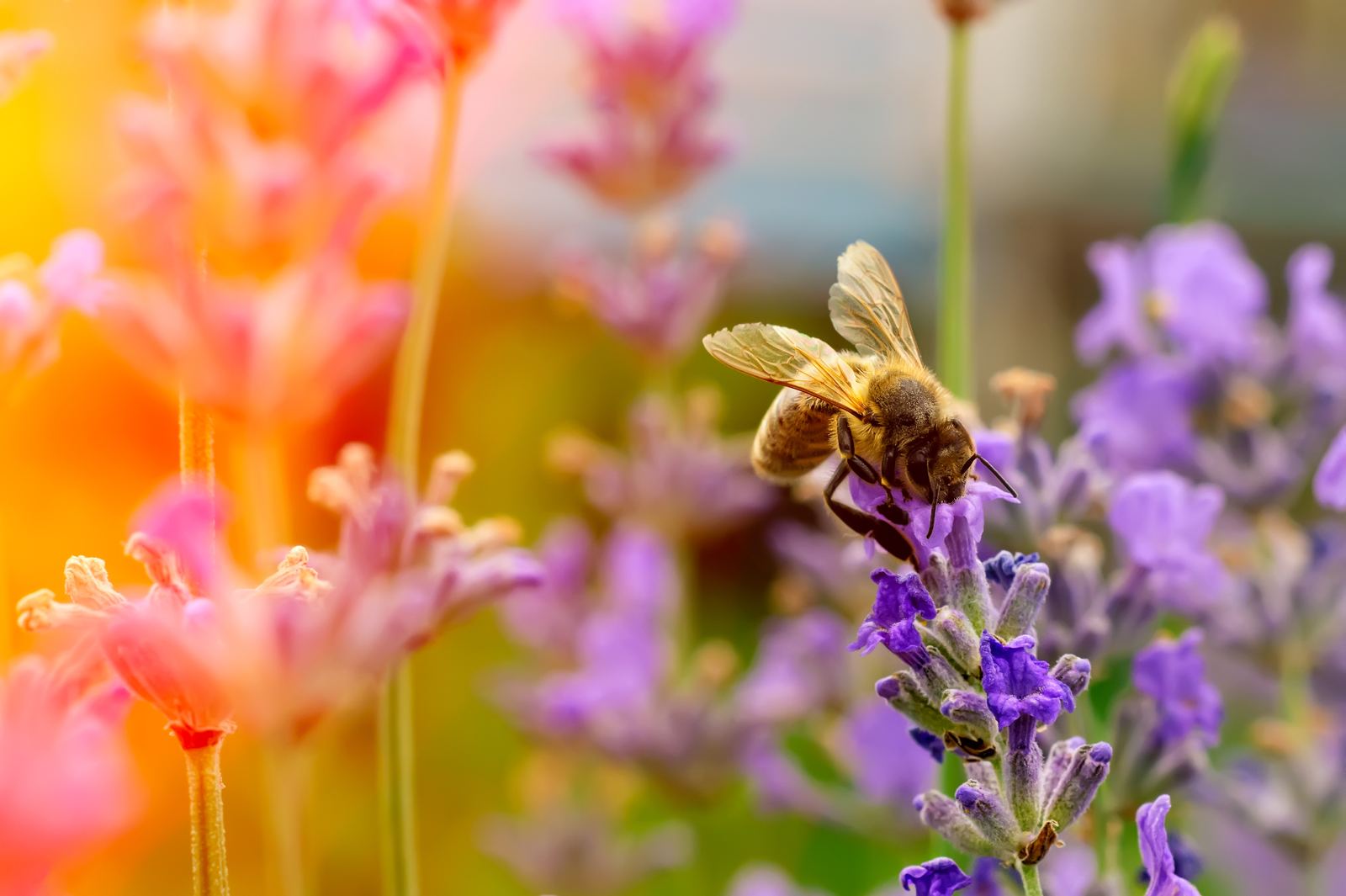
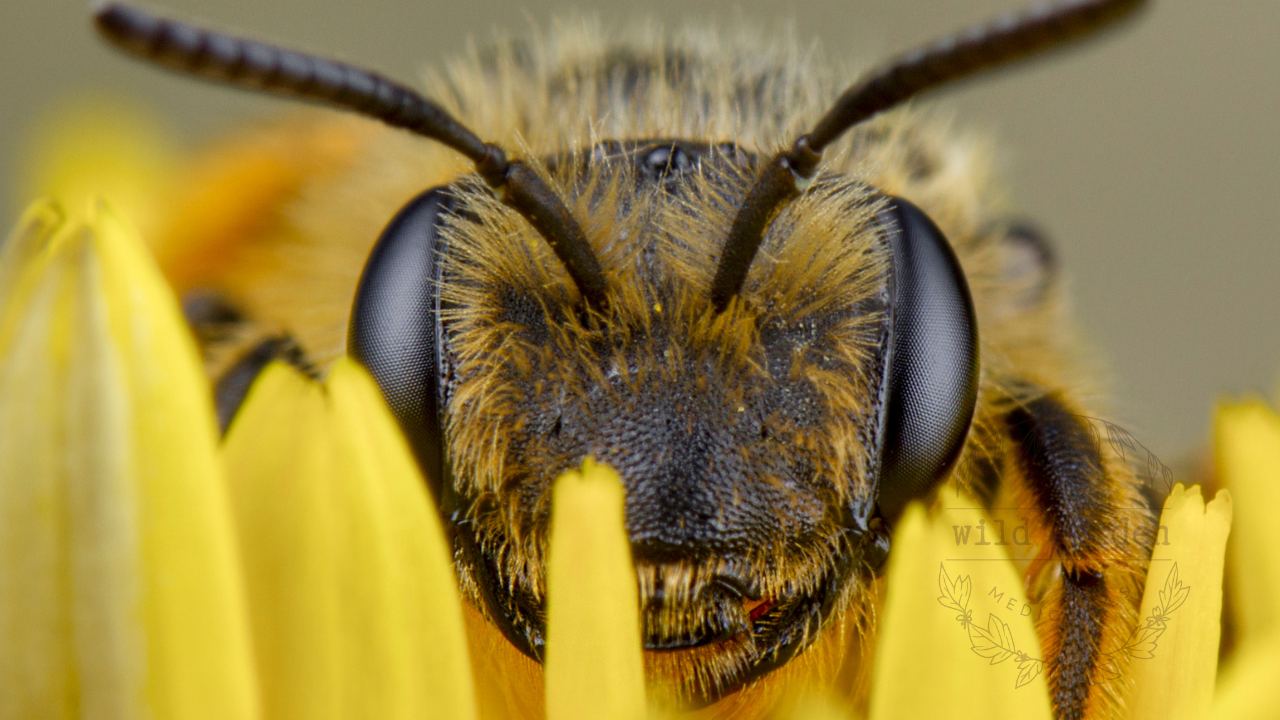
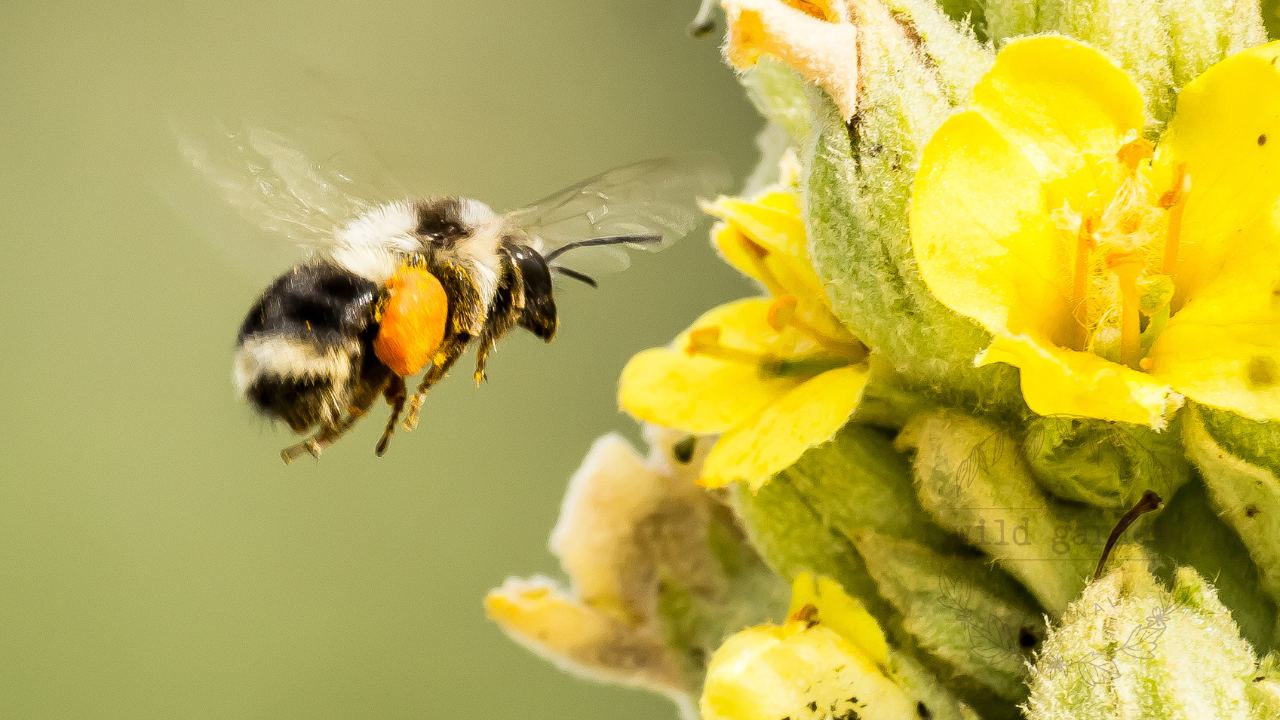
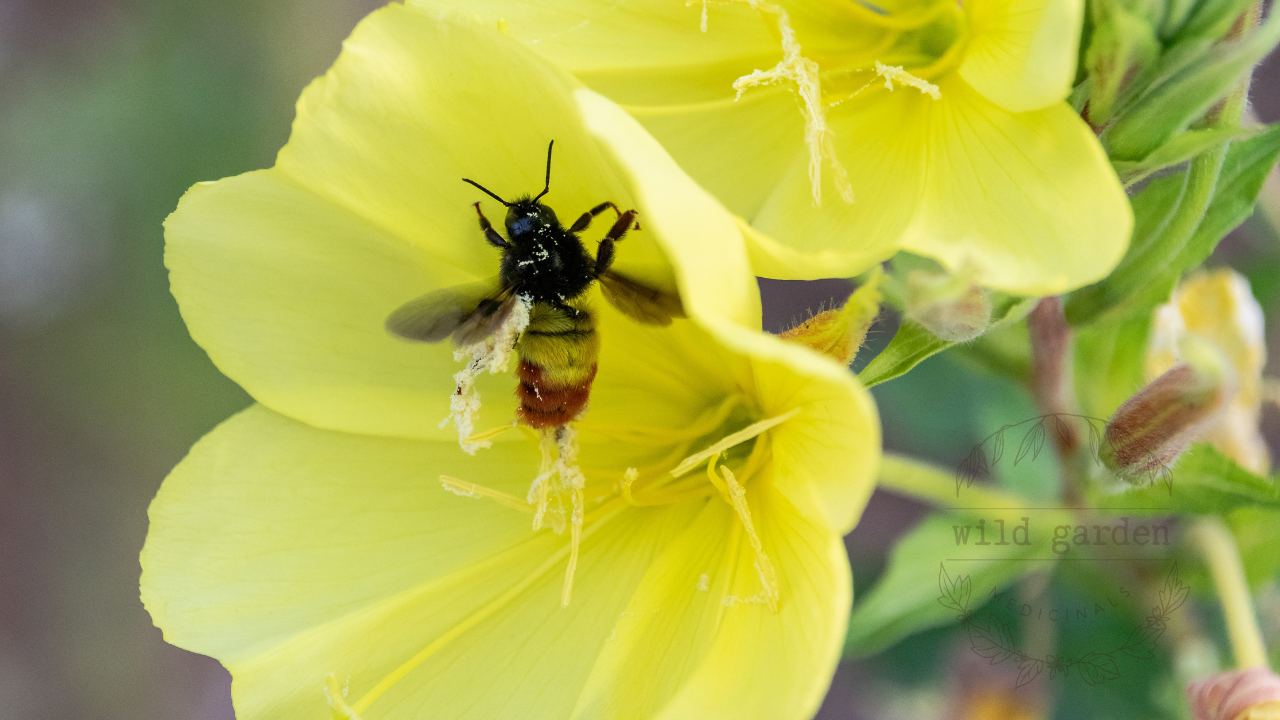
Oregon is home to more than 500 documented native bee species — from tiny sweat bees to bumblebees and mason bees. Most are solitary and depend on diverse, local blooms within a short flight range.
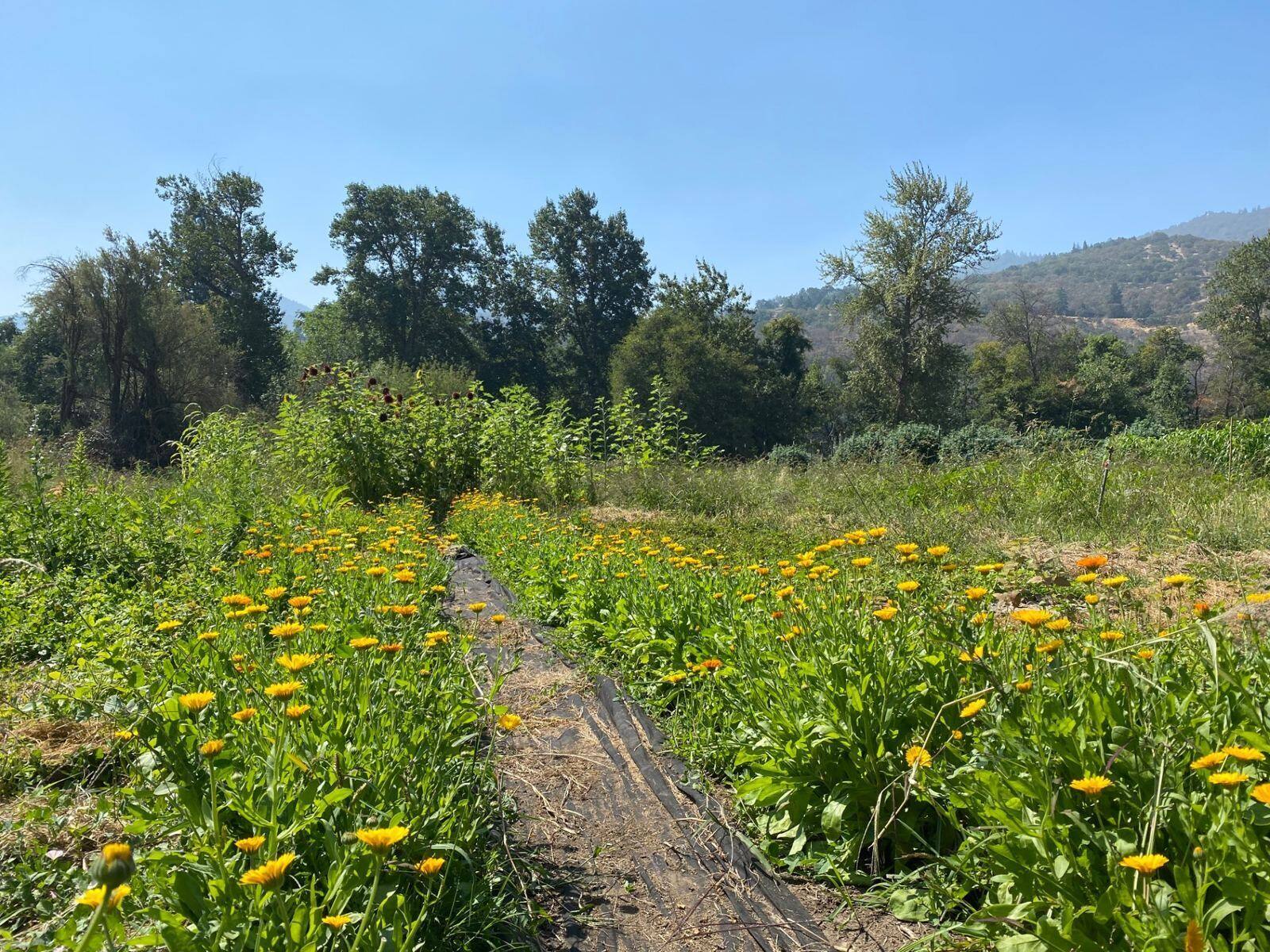
We're building a network of small pollinator gardens across southern Oregon — patches of native blooms and forage that quietly do extraordinary work for our bees, butterflies, and the wider web of life that depends on them.
Oregon is home to more than 500 documented native bee species — solitary bees, bumblebees, mason bees, sweat bees — alongside honeybees and countless other pollinators. They all need the same simple thing: continuous, pesticide-free bloom close to home.
Every garden we plant becomes a stepping-stone of habitat.
We're looking for people who want to help in whatever way fits — funding a garden, offering land, or showing up on a planting day with willing hands.
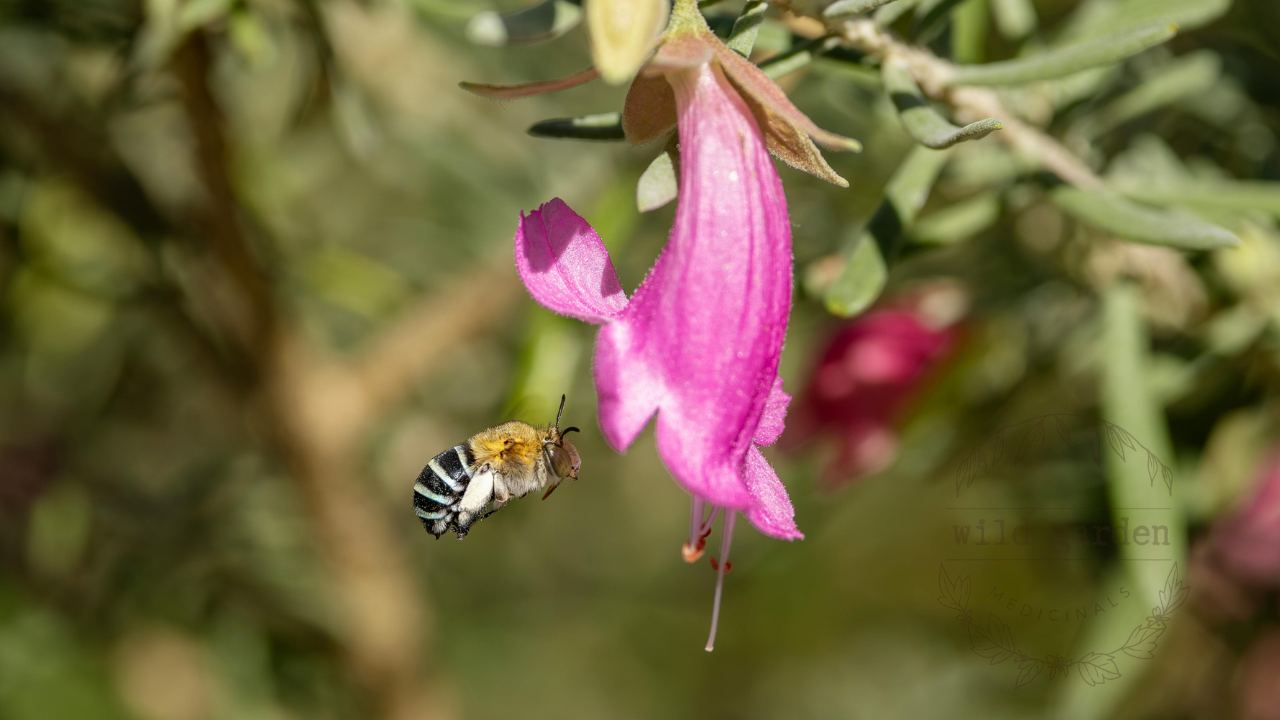
Why pollinator gardens matter
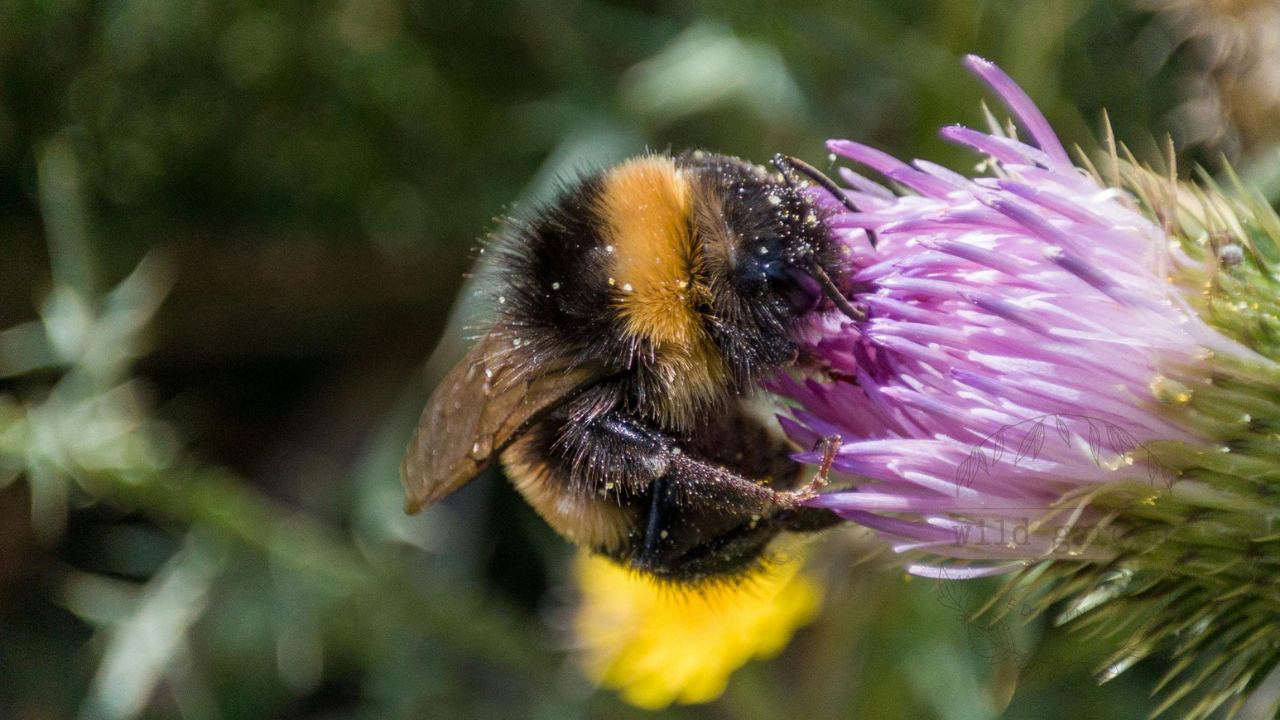
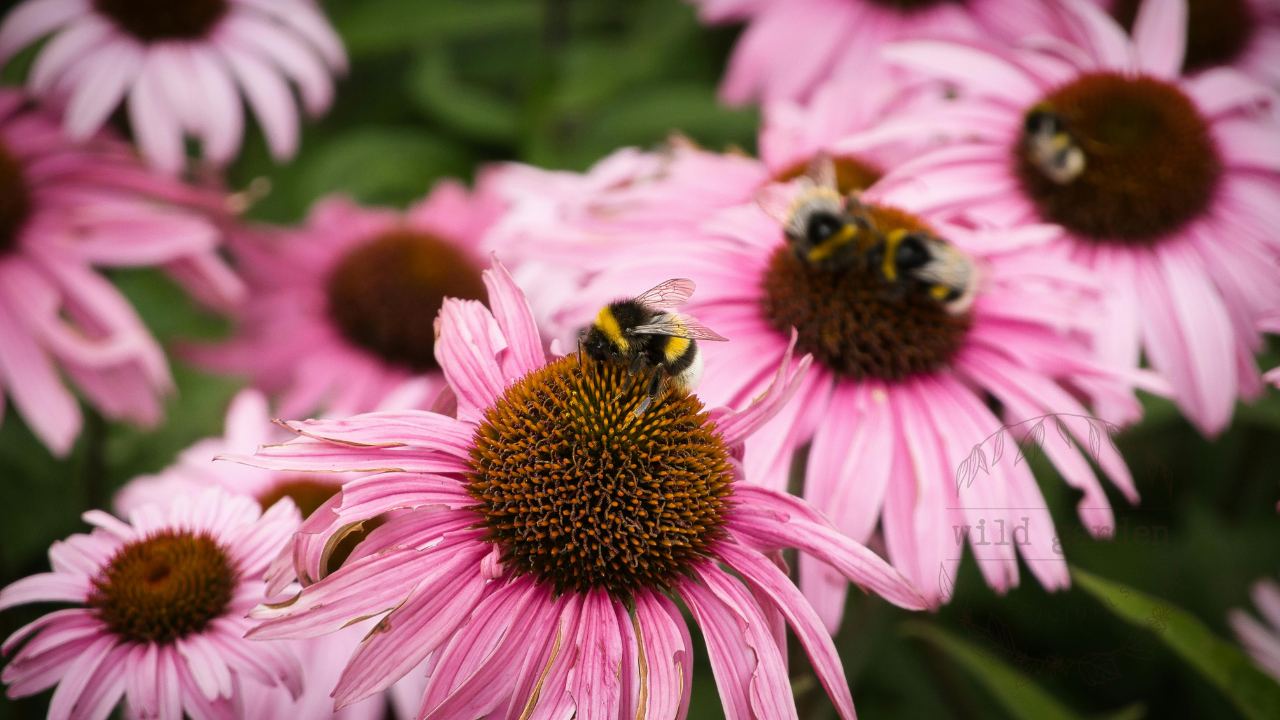
Oregon is home to more than 500 documented native bee species — from tiny sweat bees to bumblebees and mason bees. Most are solitary and depend on diverse, local blooms within a short flight range.
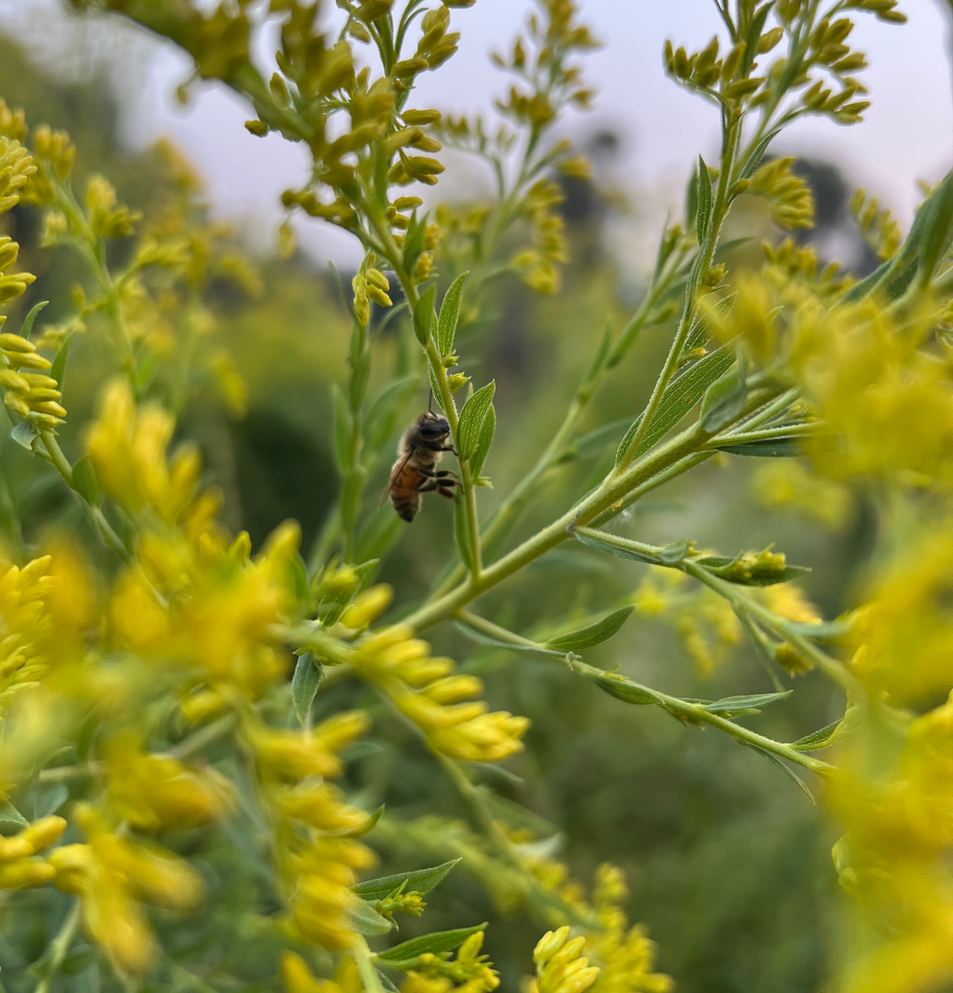
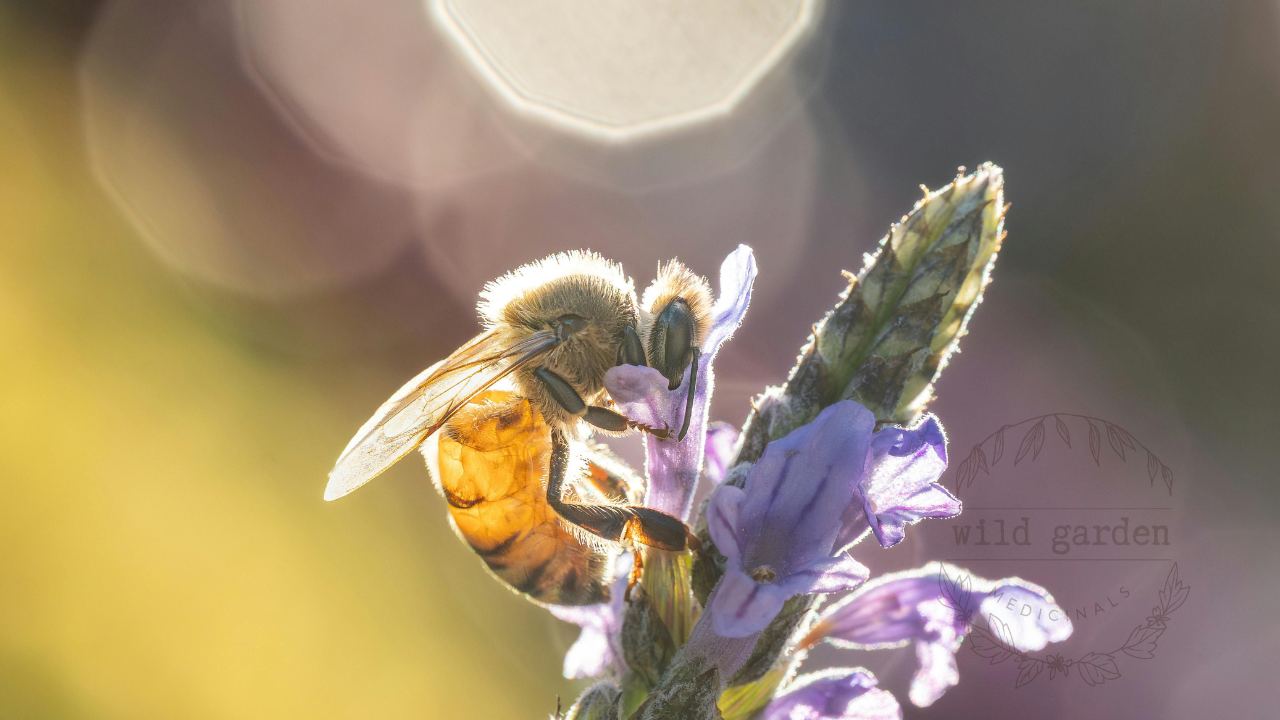
Honeybees thrive when pollinator gardens supplement larger crops with continuous, pesticide-free bloom from early spring through late fall.
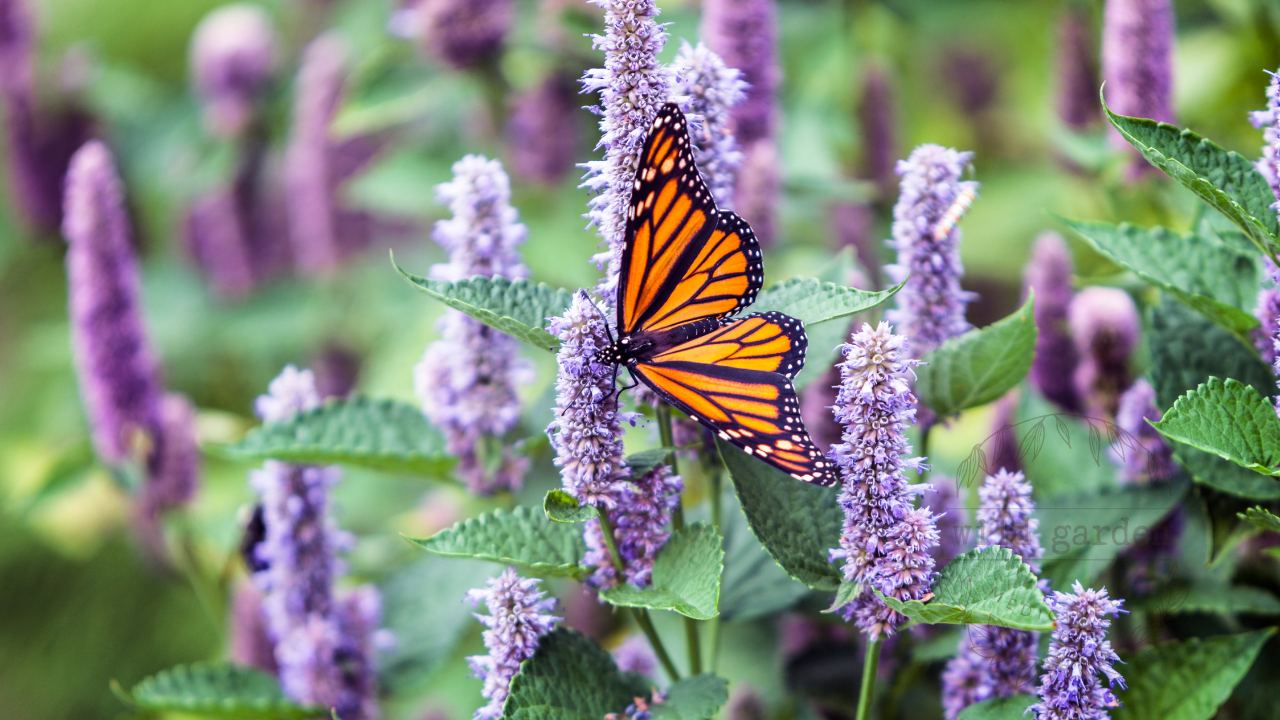
A network of small pollinator patches — backyards, schools, farm edges, business landscaping — creates a connected corridor of refuge across our region.
Native, perennial plantings sequester carbon, restore soil, and offer businesses a meaningful, measurable way to invest in their local ecosystem.
Three ways to adopt
Fund a garden
Pollinator gardens typically range from $500 to $1,500, with larger installations scaling from there. Sponsorship covers native plants, soil amendments, mulch, signage, and ongoing stewardship.
Host a garden
Do you have open space, a sunny edge, an unused corner of pasture, schoolyard, or business lot? We'll work with you to design and plant a garden suited to the site and the pollinators it can serve.
Plant with us
Join us on a planting day — dig, carry, stack, water, mulch, and share a meal. No gardening experience required. Just a willingness to be outside and care for living things.
Adopt a garden form
Share a little about yourself and how you'd like to participate. We'll reach out personally to talk through next steps — no pressure, no obligation.
From the field